Articles ·
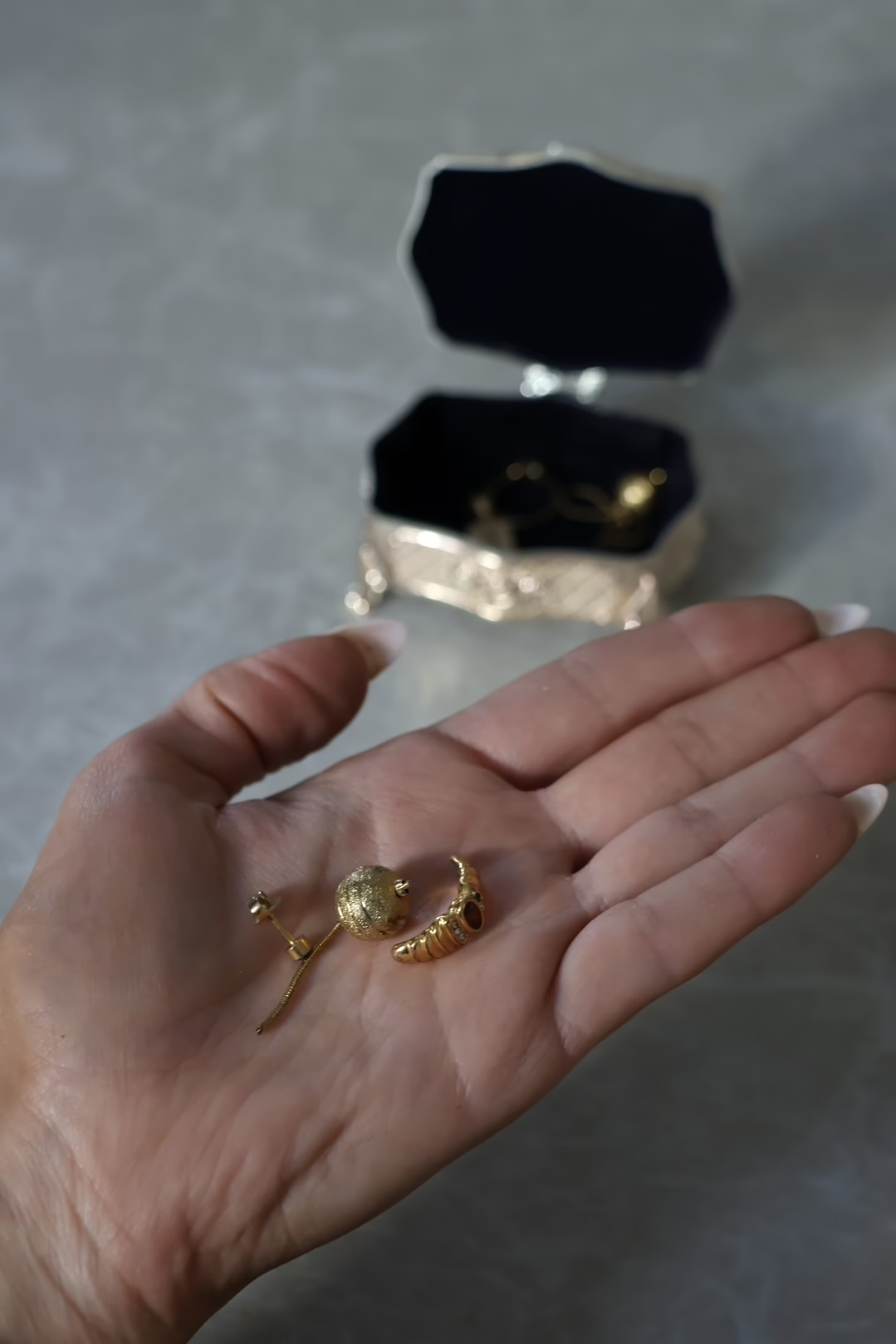
A chain that snapped years ago. One earring whose pair went missing. A ring that’s bent out of shape or has lost its stone. It’s easy to assume pieces like these aren’t worth anything any more. But when gold is valued for the metal, the condition makes no difference to how much gold is in it. Here’s what you need to know.
What counts as scrap gold?
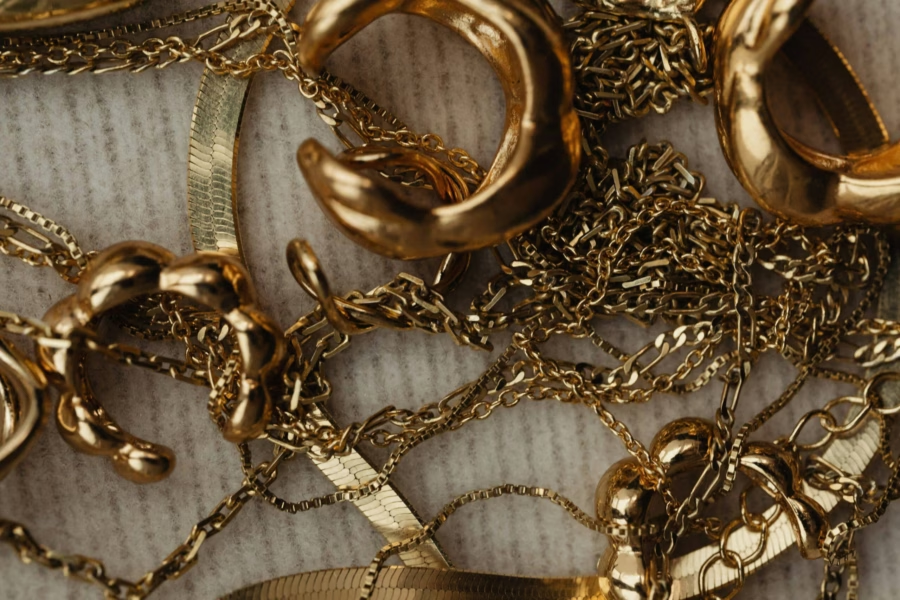
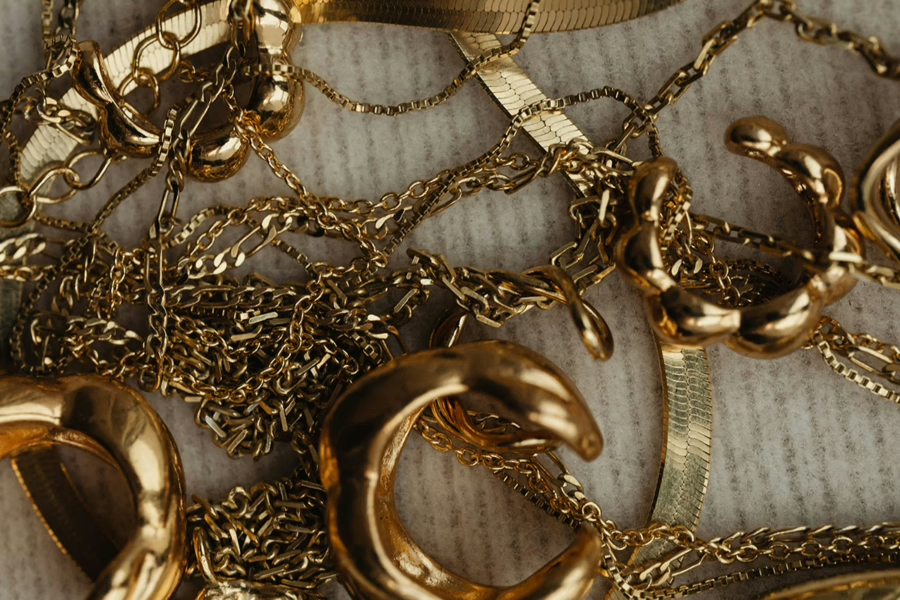
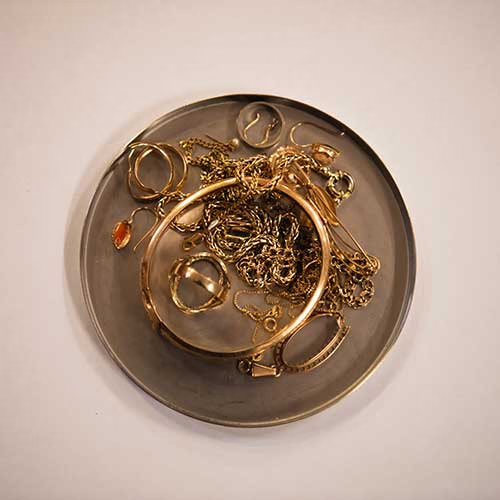
“Scrap gold” simply means gold that’s valued for its metal rather than as a piece of jewellery to be worn again. It’s usually jewellery that’s broken, worn out or no longer used:
Why condition doesn’t change the gold
Gold doesn’t wear away or lose its quality when a piece breaks. A 9ct chain that snaps in two still contains 37.5% pure gold, and the two halves together weigh what the whole chain did. So when gold is valued for its metal, three things count: the weight, the carat and the price of gold on the day.
For example, a broken 18ct chain weighing 10 grams contains 7.5 grams of pure gold – exactly the same as an unbroken 18ct chain of the same weight. Not sure what the carat marks mean? See our guide to gold carats and Irish fineness marks.

What makes a difference – and what doesn’t
What about pieces with stones?
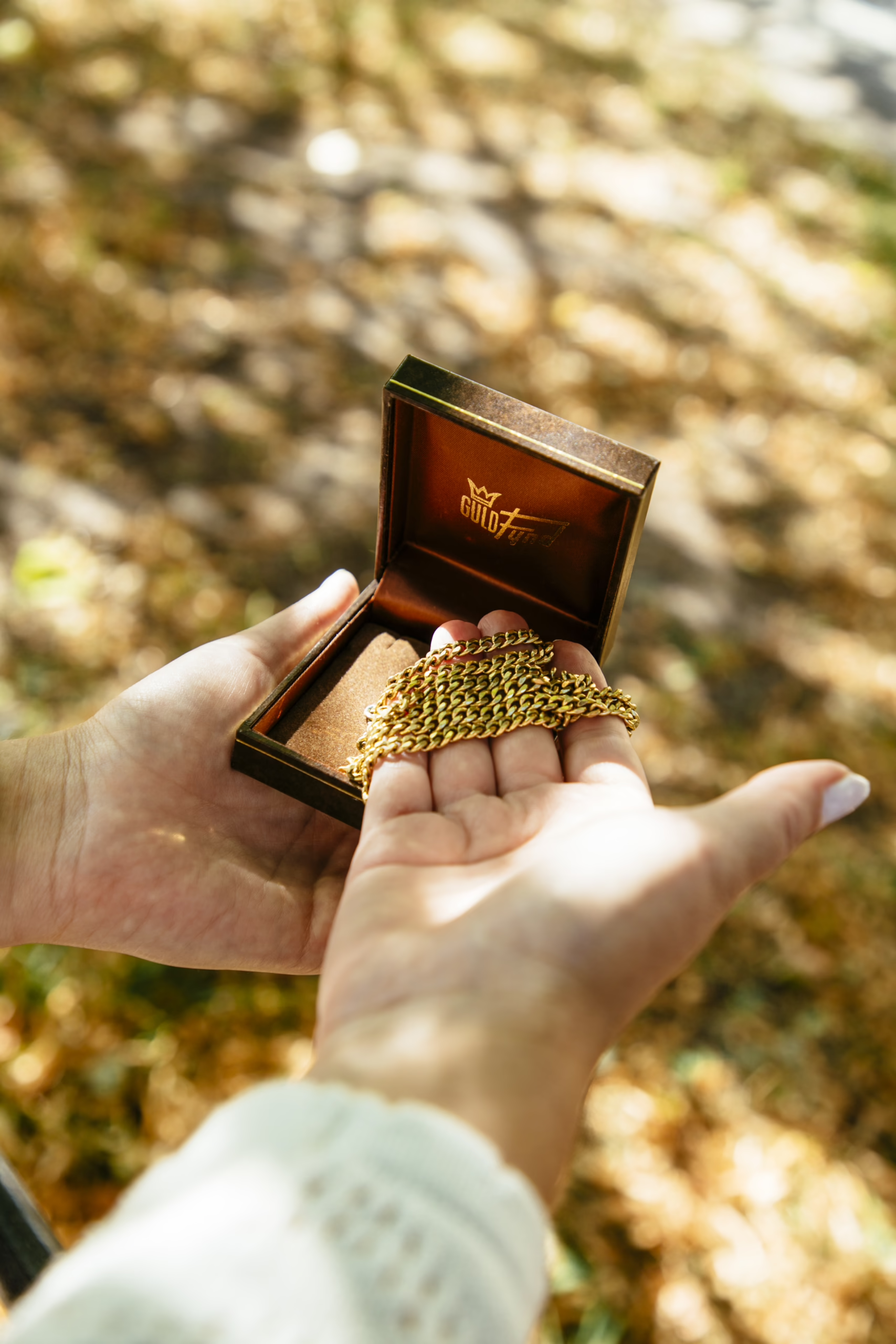
Only the gold is valued. With your permission, stones can be removed before weighing so you can keep them. If you’d rather leave them in, the piece is weighed as it is and the estimated weight of the stones is deducted. Either way, the stones don’t count towards the gold weight.
Before you bring it in
1. Gather every broken piece into one bag or box.
2. Keep broken parts together – every bit counts towards the weight.
3. Don’t repair or clean anything first.
4. Look for hallmarks, but bring unmarked pieces too.
If you’d like to sort out real gold from costume jewellery at home first, our guide on how to tell if gold is real explains what to look for. And if a piece has special design or antique value – a signed designer piece, for example – it may be worth showing it to a jeweller as well, since a valuation for the metal looks only at the gold.
How the offer is worked out
The offer for scrap gold isn’t the same as the world market price you might see in the news. That price is for pure, refined gold, while jewellery has to be melted down and refined before the gold can be used again. What matters is that you can see the weight, the carat and how the offer is calculated – and that you’re free to say no.
At the valuation
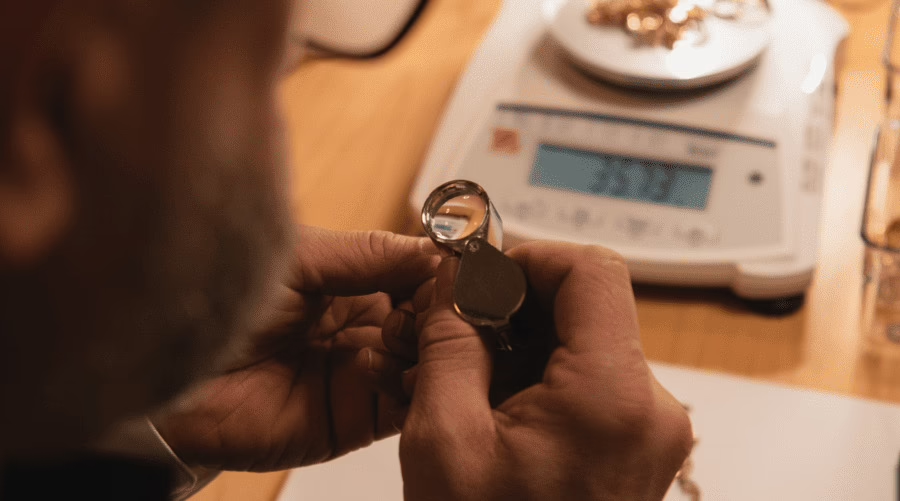
At a Gold Arthur stop near you, a gold expert checks the hallmarks, tests anything unmarked and weighs your gold on a scale turned towards you – in a private appointment of about 15 minutes. The valuation is free, and you decide afterwards whether to sell anything. If you do, payment is made by bank transfer no later than the fifth banking day, and we never pay in cash. See what happens at a gold valuation, step by step.
Frequently asked questions about broken gold
Is broken gold worth less than whole gold?
Not for its gold content. A broken piece contains the same amount of gold as a whole piece of the same weight and carat.
Is it worth bringing just one earring?
There’s no minimum. Small pieces are often best brought together, since it’s the total weight of gold that counts.
Should I get my jewellery repaired before selling it?
No. A repair won’t add gold to the piece, so for a valuation based on the metal it makes no difference. Bring it as it is.
My broken chain has no hallmark. Can it still be valued?
Yes. Hallmarks are often on the clasp, which may be the part that’s missing. The Gold Expert can test the metal on a touchstone while you watch.
Do I have to sell after the valuation?
No. The valuation is free and non-binding. You can sell everything, some of it, or take it all home again.